The Football Problem
The first step for planning any session is to identify the “football problem.” A simple example: we’re struggling to score goals from crosses.
Simply by identifying the football problem, the session already begins to plan itself. If the team is able to get the ball into the final third or wide areas, but we can’t score? The session “Attacking from Wide Areas in the Final Third.”
It may appear really simple, but it generally is!
If you’re working with the younger age groups, again, begin by identifying the football problem. The players are struggling to stay on the ball after they’ve received it. The session “Receiving to Travel with the Ball.” or even simpler, “Dribbling with the Ball.”
What do the Players Need?
The next step is to understand what the players actually need from the session.
Let’s continue with our examples.
If the players in the first example are struggling to score from wide areas, we might need to focus on a specific finishing or crossing technique. Therefore, how we structure the session becomes really important.
The goal is to focus on a specific technique and, importantly, provide the players with the opportunity to achieve significant success with it. The session will probably need to spend some time in an unopposed practice. This approach is probably the same for the younger group who are struggling to move with the ball.
There’s no perfect solution to football or training, and it’s important to understand the tradeoffs of every decision we make.
We need to ensure that players have the opportunity to practice a specific action or technique without pressure, as they require some success. We naturally sacrifice some element of realism for a high amount of repetition. This will be the same the other way around. Lots of realism typically loses repetition.
Structuring the Session
The final step is to actually begin structuring the session and considering the different practices within it.
A general guideline is that “players will typically remain engaged in a given practice for twice their age.” For example, for a team of under 10s, one practice should be no longer than 20 minutes. Therefore, a one-hour session should involve three practices.
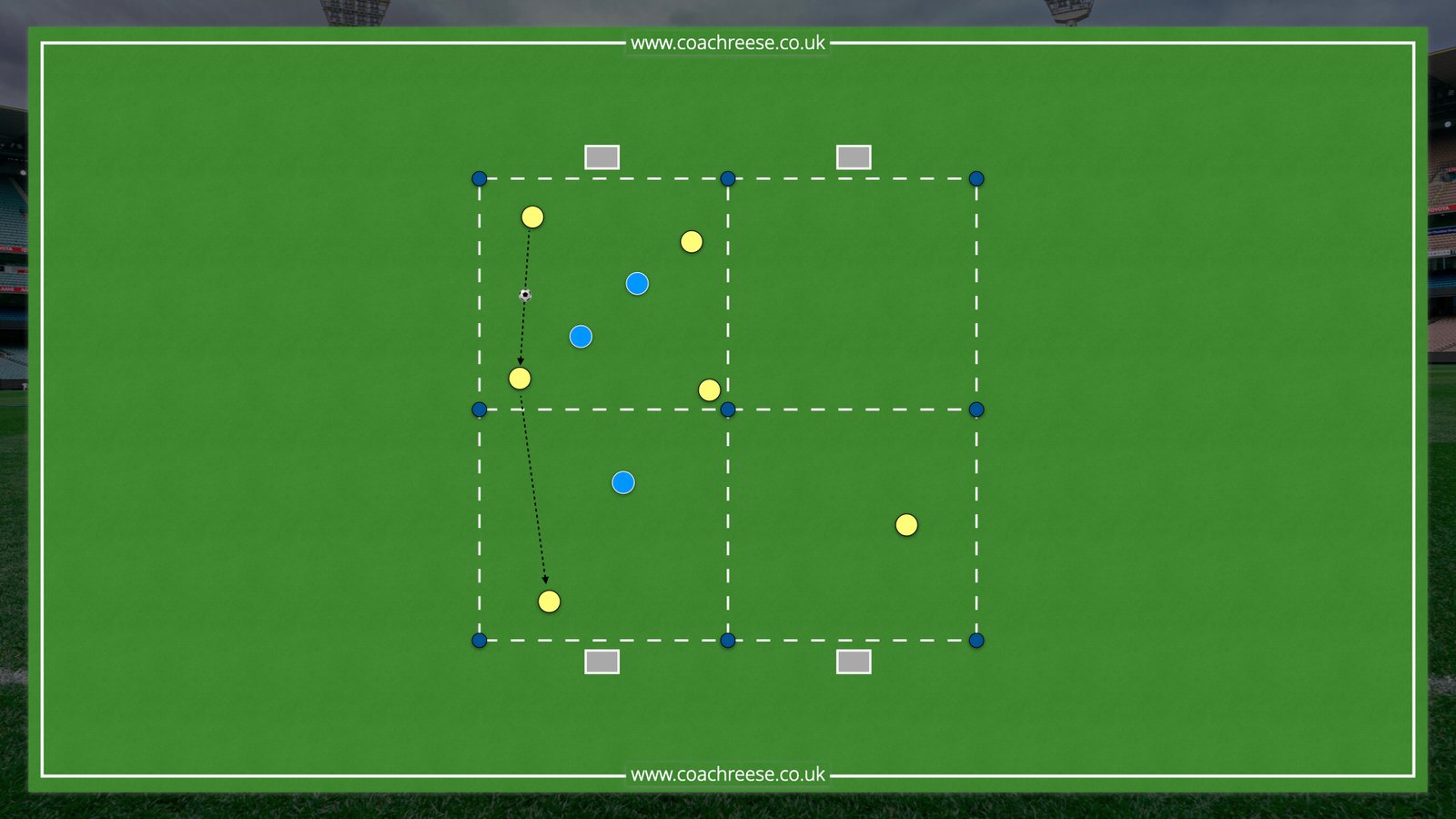
Continuing with our finishing example, a 60-minute session could be structured in the following ways.
Up the Ladder
Practice One – Unopposed Finishing Practice
Lots of repetition, success, and the opportunity to refine a technique.
Practice Two – Unopposed with Interference or Matched Up
Introduce active or passive pressure to challenge the individual and begin moving the session towards a more realistic setting.
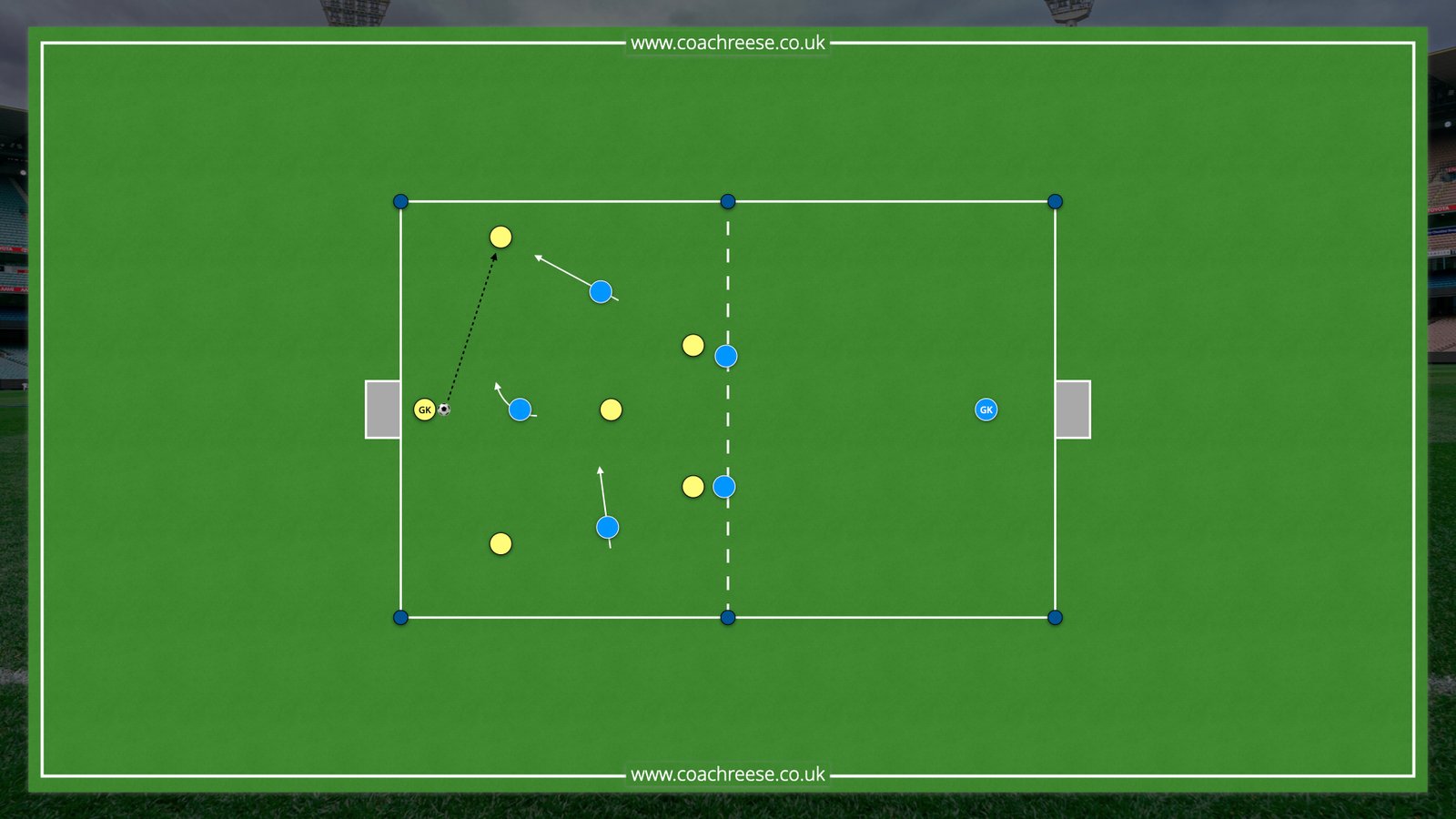
Practice Three – Matched Up or Small-Sided Game
This exercise has the highest level of realism. This practice usually involves two or three teams playing a conditioned game. This approach will increase realism while challenging the individual’s decision-making and technique.
Session Planning is a Personal Process
There’s no perfect way to plan a session; it’s important to find a way that works for you and the players in the team.
Hopefully you’ve found one or all of the three tips useful. Good luck with your next session!